
Gardening Essentials
Types of Fertilizers: The Comprehensive Guide to Choosing and Using Fertilizers
Everything you need to know — from NPK ratios to eco-friendly options — to nourish a thriving garden.
Struggling to pick the right fertilizer for your plants? Or maybe you're wondering how to fertilize your lawn, veggies, or roses without overdoing it? Don't worry — you are not alone. In my daily landscaping work, I encounter people who have the vaguest idea of what fertilizer is, what it does or even how to use it! Funny thing, I was once in this group!
Fertilizers are like vitamins for your plants, giving them the nutrients they need to thrive. In this article, we will explore the types of fertilizers, break down their key nutrients, and share simple, practical tips on how to fertilize plants like an old hand at gardening. In addition, we will look at eco-friendly options and the latest trends to keep your garden green and sustainable. Let's nourish ourselves!
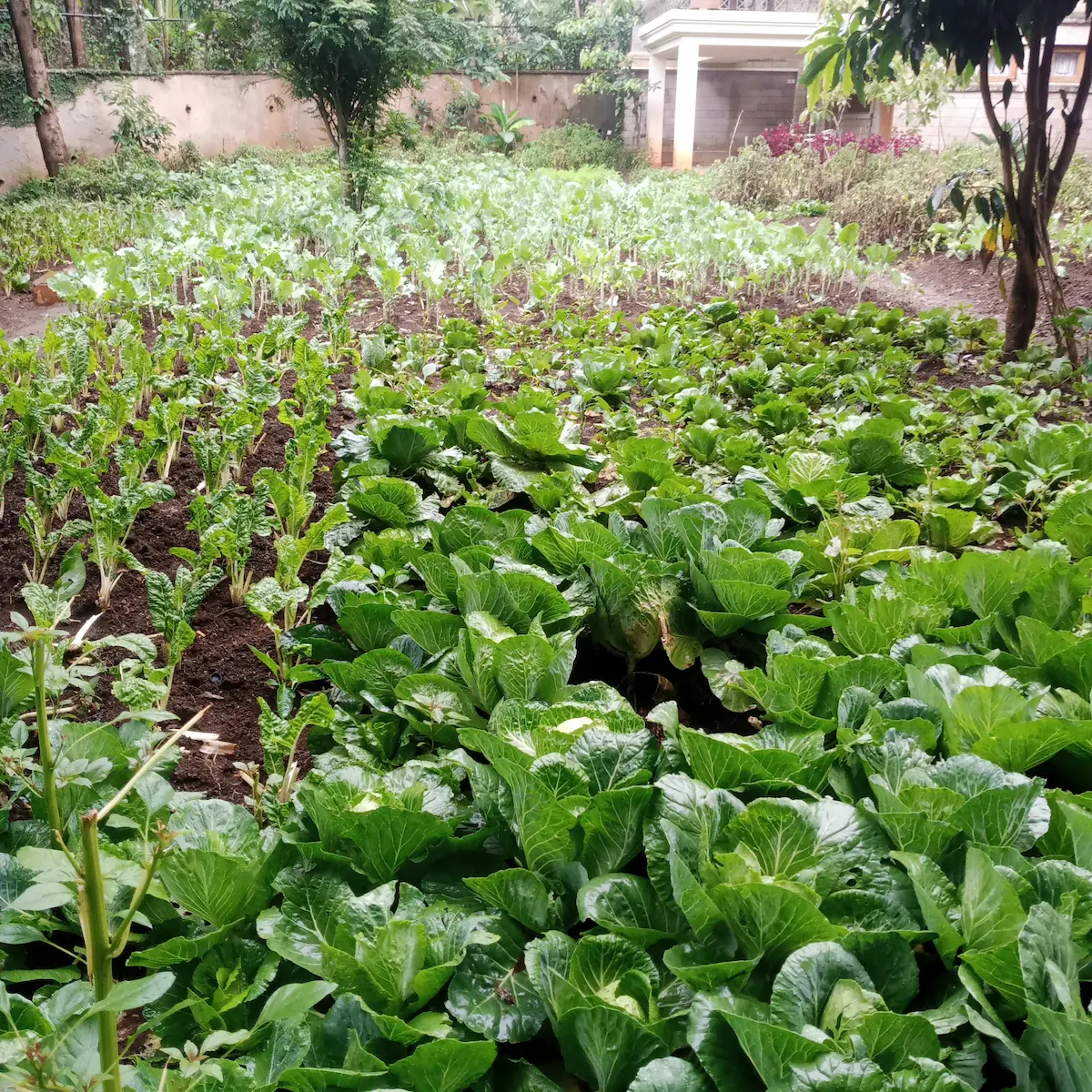
What Are Fertilizers?
Think of fertilizers as a power-up for your plants. They are natural or synthetic materials packed with nutrients that help plants grow strong and healthy. When you grow crops, flowers, or even a lush lawn, the soil's nutrients get used up over time — kind of like your kitchen store running low on groceries. Rain, erosion, and harvesting can also wash away these vital nutrients. That's where fertilizers come in, restocking the soil with the goodies plants need to flourish.
The Food and Agriculture Organization (FAO) estimates that 20% of global agricultural soils are nutrient-deficient. Fertilizers help bridge that gap, ensuring your plants don't go hungry. Whether you are tending a vegetable patch or a windowsill herb garden, understanding fertilizers is the key to vibrant, productive plants.
Essential Nutrients in Fertilizers
Plants need a balanced diet, just like us! Fertilizers supply macronutrients (the big three: nitrogen, phosphorus, and potassium) and micronutrients (like calcium and magnesium) to keep them thriving.
The Big Three: N-P-K
Every fertilizer bag has an NPK ratio (e.g., 10-10-10), showing the percentage of nitrogen (N), phosphorus (P), and potassium (K).
- Nitrogen (N) — The Leaf Maker: Fuels lush, green growth, perfect for leafy veggies like lettuce and spinach, or your backyard lawn. Deficiency signs: yellowing leaves, stunted growth.
- Phosphorus (P) — The Root Booster: Strengthens roots, ideal for carrots, potatoes, or beets. Deficiency signs: weak roots, purplish leaves.
- Potassium (K) — The Flower & Fruit Champ: Supports blooming and fruiting, ideal for tomatoes, roses, or fruit trees. Deficiency signs: weak stems, poor fruit quality.
Micronutrients: The Supporting Cast
- Calcium (Ca): Strengthens cell walls. Deficiency: stunted plants, yellow leaves.
- Magnesium (Mg): Boosts photosynthesis, perfect for roses and tomatoes. Deficiency: yellowing between leaf veins.
- Others: Iron (Fe), Manganese (Mn), Boron (B), Zinc (Zn), Copper (Cu), Molybdenum (Mo), and Sulfur (S) — lack of these shows up as yellowing leaves or poor growth.
| Nutrient | Role | Deficiency Signs | Best For |
|---|---|---|---|
| Nitrogen | Leaf growth | Yellow leaves, slow growth | Leafy greens, lawns |
| Phosphorus | Root development | Weak roots, purplish leaves | Root crops (carrots, potatoes) |
| Potassium | Flowering & fruiting | Weak stems, poor fruits | Tomatoes, roses |
| Magnesium | Photosynthesis | Yellowing between veins | Roses, tomatoes |
Types of Fertilizers: A Comprehensive Breakdown
Fertilizers come in varied forms, each with unique perks for your garden. Let's break down the two main types — organic and inorganic — and then explore sub-types like straight, compound, liquid, and solid.
Organic Fertilizers: Nature's Finest
Organic fertilizers come from plant or animal sources, like compost, manure, or blood meal. They are slow-acting, feeding your soil over time, which then nourishes your plants. Think of them as a slow-cooker meal — steady and sustainable!
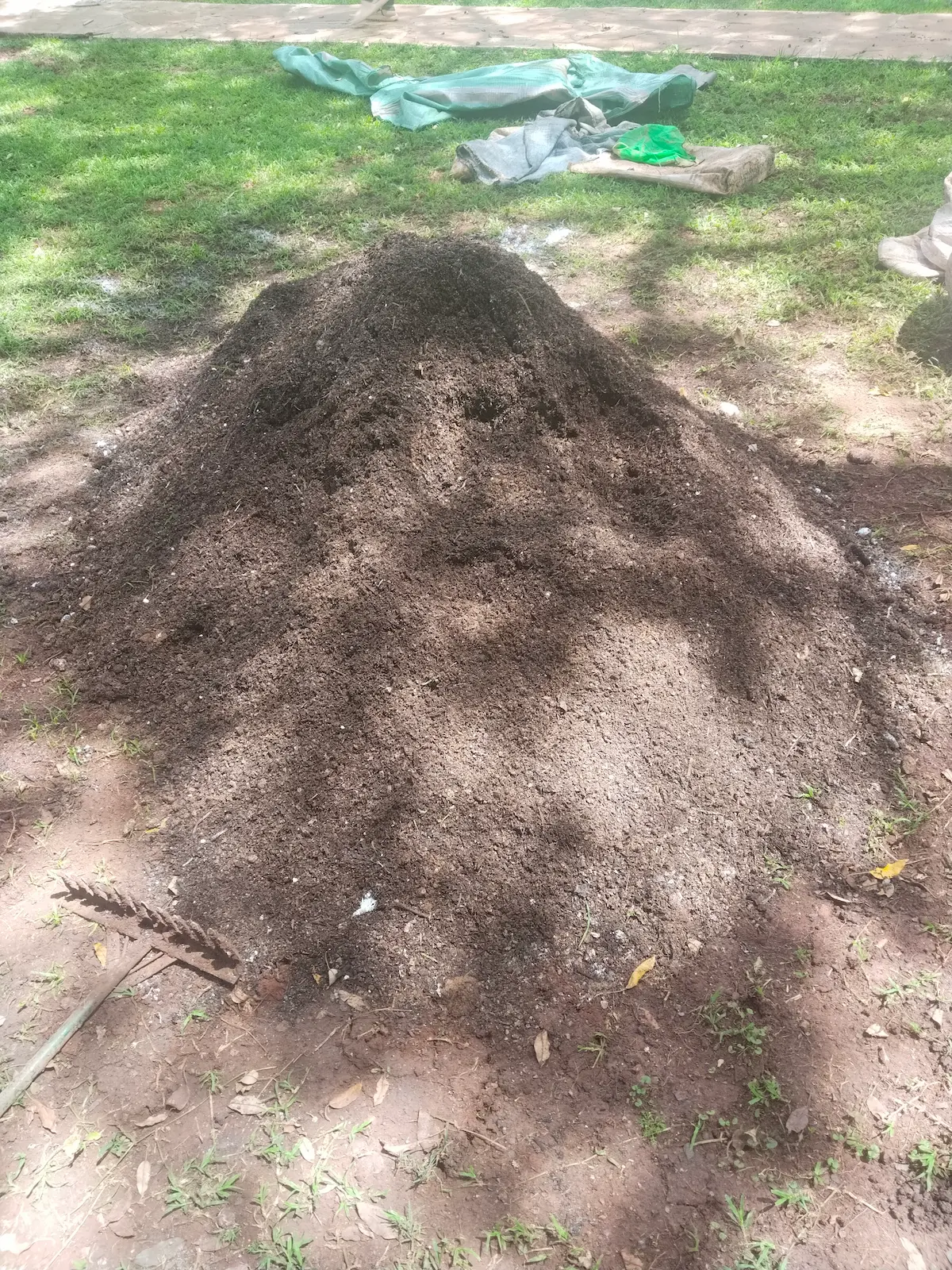
- Benefits:
- Eco-friendly: reduces chemical runoff (EPA notes 30% of U.S. water pollution comes from synthetic fertilizers).
- Improves soil health: boosts microbial activity and soil structure.
- Long-lasting: provides nutrients for weeks or months.
- Drawbacks:
- Slower results compared to inorganic options.
- Nutrient content varies (e.g., cow manure's NPK depends on the animal's diet).
- Examples: Compost (nitrogen-rich, great for veggies), Bone Meal (phosphorus-packed, ideal for carrots), Seaweed Extract (micronutrient boost for flowers), Manure (well-rotted cow or chicken for general use).
Inorganic Fertilizers: Quick and Precise
Inorganic fertilizers are synthetic, lab-made nutrients that act fast. They are like an energy drink for plants — perfect when your garden needs a quick boost.
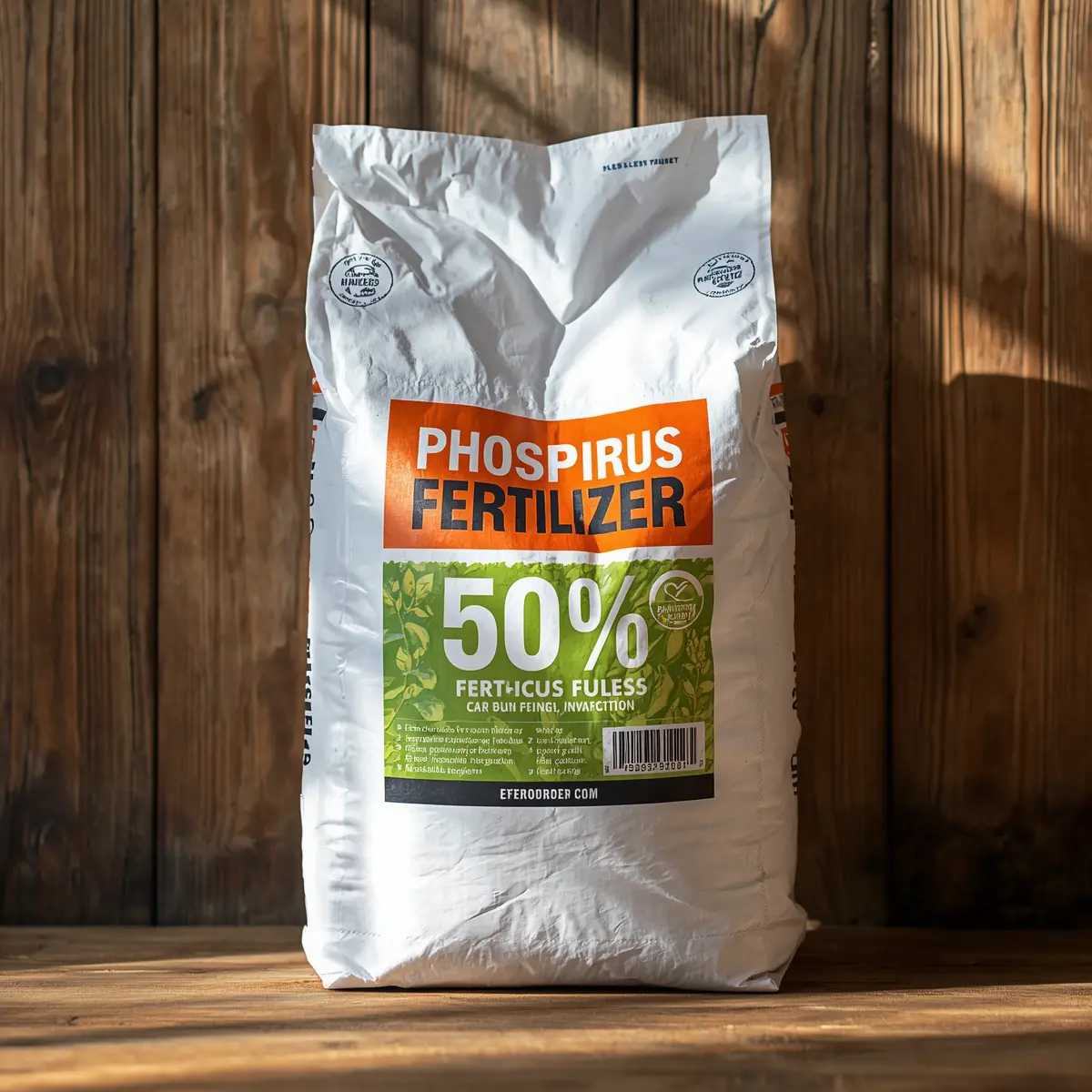
- Benefits:
- Fast-acting: delivers nutrients right to the roots.
- Precise NPK ratios: you know exactly what you're feeding your plants.
- Drawbacks:
- Can degrade soil over time if overused.
- Risk of runoff, harming waterways if misapplied.
- Examples: Urea (46% N) for leafy greens; Muriate of Potash (60% K) for flowering plants; Superphosphate for root crops.
- Best For: Commercial farms, quick fixes for nutrient deficiencies.
Straight vs. Compound Fertilizers
Straight Fertilizers contain one major nutrient. Examples: Sulfate of Ammonia (20.6% N) for leafy veggies, Sulfate of Potash (48.6% K) for roses, Dried Blood (organic, nitrogen-rich), Wood Ashes (1–7% K, quick potassium for fruits).
Compound Fertilizers blend N, P, and K for balanced nutrition.
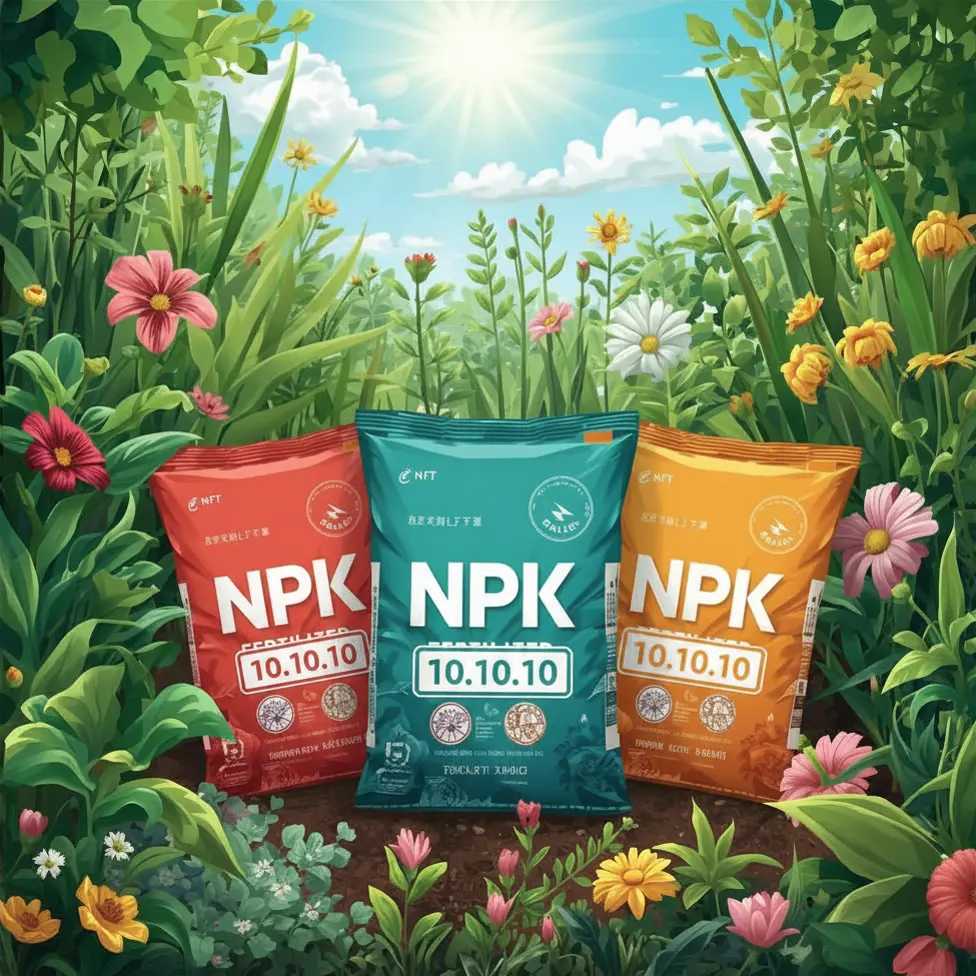
- NPK 20-18-18: great for general gardening.
- YaraMila (16-16-16): balanced for vegetables.
- Miracle-Gro All Purpose (24-8-16): for flowers and veggies.
- Scotts Turf Builder (32-0-4): for lawns.
- Espoma Rose-Tone: tailored for roses.
Liquid vs. Solid Fertilizers
- Liquid Fertilizers: Fast-acting, applied after diluting with water (e.g., 1:10 ratio — always check the label). Great for foliar feeding or potted plants. Examples: Miracle-Gro Liquid (12-4-8), Neptune's Harvest Fish Emulsion.
- Solid Fertilizers:
- Granular: Small pellets (e.g., Calcium Ammonium Nitrate) that dissolve when watered.
- Powdery: Spread lightly and water in (e.g., bone meal).
- Sticks/Pills: Insert near roots, ideal for indoor plants (e.g., Jobe's Fertilizer Spikes).
| Fertilizer Type | Speed | Best For | Example Product |
|---|---|---|---|
| Organic | Slow | Eco-friendly gardens | Espoma Compost |
| Inorganic | Fast | Quick fixes | Urea (46% N) |
| Liquid | Fast | Potted plants, foliar | Miracle-Gro Liquid |
| Solid (Granular) | Medium | Lawns, large gardens | Scotts Turf Builder |
The Trend: Sustainable Fertilizers
If you are an eco-conscious gardener and want to go green, try these cutting-edge options:
- Slow-Release Fertilizers: Release nutrients over months (e.g., Osmocote Smart-Release).
- Biofertilizers: Use microbes like mycorrhizal fungi to boost nutrient uptake.
- Nano-Fertilizers: Deliver nutrients precisely, reducing waste (popular in precision agriculture).
How to Fertilize Plants: Step-by-Step Guide
Feeding your plants is simple if you know your fertilizer and your plants' needs. Here's how to do it right!
General Tips Before You Start
- Test Your Soil: Use a kit like Luster Leaf Rapitest to check nutrient levels and pH.
- Read the Label: Follow dilution or application rates to avoid over-fertilizing.
- Water First: Moist soil helps plants absorb nutrients better. Water a day or a few hours before fertilizing.
- Safety First: Wear gloves and avoid runoff into streams or ponds.
Applying Liquid Fertilizers
- Dilute with water (e.g., 1 tbsp per gallon, per label instructions). Stir well.
- Soil Application: Pour around the plant's base on moist soil.
- Foliar Feeding: Spray on leaves for fast uptake — great for quick fixes.
- Example: Use Miracle-Gro Liquid (12-4-8) for houseplants every 1–2 weeks in spring.
Applying Solid Fertilizers
- Granular: Spread evenly around plants (e.g., 1 lb per 100 sq ft for CAN). Water after to dissolve.
- Powdery: Sprinkle lightly, like bone meal, and water in to avoid leaf burn.
- Sticks/Pills: Push into soil near roots (e.g., Jobe's Spikes for indoor plants). Remove if overwatering occurs.
Plant-Specific Tips
- Lawns: Use nitrogen-rich fertilizers like Scotts Turf Builder (32-0-4) in spring and July for lush grass.
- Vegetables: Apply balanced NPK (e.g., 10-10-10) or bone meal for root crops like carrots.
- Roses & Flowers: Use high-potash fertilizers like Espoma Rose-Tone in spring and July for vibrant blooms.
- Fruit Trees & Bushes: Try slow-release granular like Dr. Earth Fruit Tree Fertilizer for steady nutrition.
- Seasonal Tip: Fertilize during active growth (spring/summer). Skip winter when plants are dormant.
Choosing the Right Fertilizer for Your Garden
Fertilizer is selected based on four factors: your plants, soil, budget, and eco-goals.
- Plant Type: Lawns love nitrogen, root crops need phosphorus, fruits and flowers crave potassium.
- Soil Condition: Test your soil to know what's missing (e.g., low nitrogen? Go for urea).
- Budget: Organic fertilizers are pricier but sustainable; inorganic options are budget-friendly.
- Eco-Friendly Goals: Choose compost, biofertilizers, or OMRI-listed products to reduce environmental impact.
Quick Decision Tree
- Growing veggies? → Use balanced NPK (10-10-10).
- Want a lush lawn? → Pick nitrogen-rich (20-0-0).
- Blooming roses? → Go high-potash (e.g., 5-10-10).
Going Green: Sustainable Fertilizing Practices
Fertilizers are awesome, but they can impact the environment if misused. The EPA reports that 30% of U.S. water pollution comes from fertilizer runoff, causing algal blooms. Here's how to fertilize sustainably:
- Choose Organic: Compost or manure improves soil without chemicals.
- Use Precision Application: Try drip irrigation with liquid fertilizers to minimize waste.
- Explore Biofertilizers: Mycorrhizal fungi boost nutrient uptake naturally.
- Cover Crops: Plant clover or alfalfa to naturally enrich soil between seasons.
| Fertilizer Type | Environmental Impact | Sustainability Score |
|---|---|---|
| Organic | Low (improves soil) | High |
| Inorganic | High (runoff risk) | Low |
| Biofertilizer | Very low | Very High |
FAQs About Fertilizers
Q: What's the difference between organic and inorganic fertilizers?
Organic fertilizers (e.g., compost) come from natural sources and improve soil health but act slowly. Inorganic fertilizers (e.g., urea) are synthetic, fast-acting, but may harm soil over time if overused.
Q: How often should I fertilize my plants?
Most plants need fertilizing every 1–2 months during spring/summer. Check labels for specific schedules (e.g., lawns need 2–3 applications per season).
Q: Can I use the same fertilizer for all plants?
Compound fertilizers like NPK 10-10-10 work for most plants, but specific needs vary (e.g., lawns need nitrogen, roses need potassium).
Q: Are eco-friendly fertilizers effective?
Yes! Organic and biofertilizers like compost or mycorrhizal fungi deliver nutrients while protecting the environment.
Get Growing: Your Next Steps
You're now armed with everything you need to know about types of fertilizers and how to fertilize plants! Start by testing your soil, picking the perfect fertilizer, and following the easy application tips above.
Ready to take your garden to the next level? 🌻