
10 Lawn Troubles and How to Control Them Organically
Natural, effective solutions for a healthier, more beautiful lawn — without chemicals.
One of the hallmarks of a well-maintained home is a healthy and lush lawn. However, attaining — let alone maintaining — a vibrant lawn can be a daunting task, especially when confronted with a never-ending stream of lawn problems like weeds, diseases, and pests.
While chemical solutions for lawn management abound on the market, more and more homeowners are opting for organic methods to solve their lawn troubles. In this article, we will explore some of the most common lawn troubles and suggest effective organic solutions to help you realize your goal of a healthy and beautiful lawn.
Introduction
Whether you are a veteran gardener or a newbie on your first steps to gardening, this article will equip you with the knowledge and tools you need to keep your lawn looking good all year round, while at the same time minimizing environmental damage.
Even in the best-managed organic lawn, trouble is bound to occur. Maybe after a dry summer nitrogen has been depleted in the soil, causing rust. Perhaps mushrooms have sprung up everywhere creating an unsightly appearance. Or the weeds that were just a minor spot have now proliferated all over.
What Are Common Lawn Problems?
Weeds
A weed is any plant growing in an undesirable place. In a lawn, a few weeds present is perfectly okay. However, when a particular weed starts colonizing or swamping your grass, the message you should be getting is that your grass is not competitive enough to out-compete the weeds. Find out why, in order to see which lawn maintenance practices you need to change.
Clover
Clover is a weed that appears where grass cover is sparse and the soil is low in nitrogen.
Crab Grass (Digitaria spp.)
Crab grass is most likely to show up when you mow your lawn too low. Very low cutting means the sun heat will warm the ground, germinating the weed seeds. The seeds remain in the ground and viable for many years, making the weed persistent. The leaves are V-shaped or folded, light yellow or pale green, with rough texture and serrated edges. Crab grass growth is lateral — spreading along the ground much faster than it grows upward.
Dandelions (Taraxacum officinale)
If your turf grass is weak or there are disturbed areas within the lawn, dandelions will appear. They are yellow-flowered plants with a deep tap root. The flowers, which appear in spring, grow into fluffy seed heads dispersed by wind.
Broad Leaf Plantain (Plantago major)
Native to Europe but found almost everywhere, this weed has broad, green, oval-shaped leaves with pronounced veins and a prominent midrib. It occurs often where there is soil compaction, poor drainage, and areas where grass has difficulty growing.
Oxalis
Oxalis is considered a weed in many parts of the world, though some of the 500+ species are grown as ornamentals. Many species are from Southern Africa and South America. They have clover-like foliage and 5-petalled flowers that open in sunlight and close at night. The most notorious are O. tetraphylla "Iron Cross" and Oxalis acetosella.
Oxalis will emerge in a lawn that has been disturbed, has bare patches, or is poor in nutrition.
Yellow Grass
Many factors are responsible for the yellowing of grass. It is important to first test your soil to determine the real culprit.
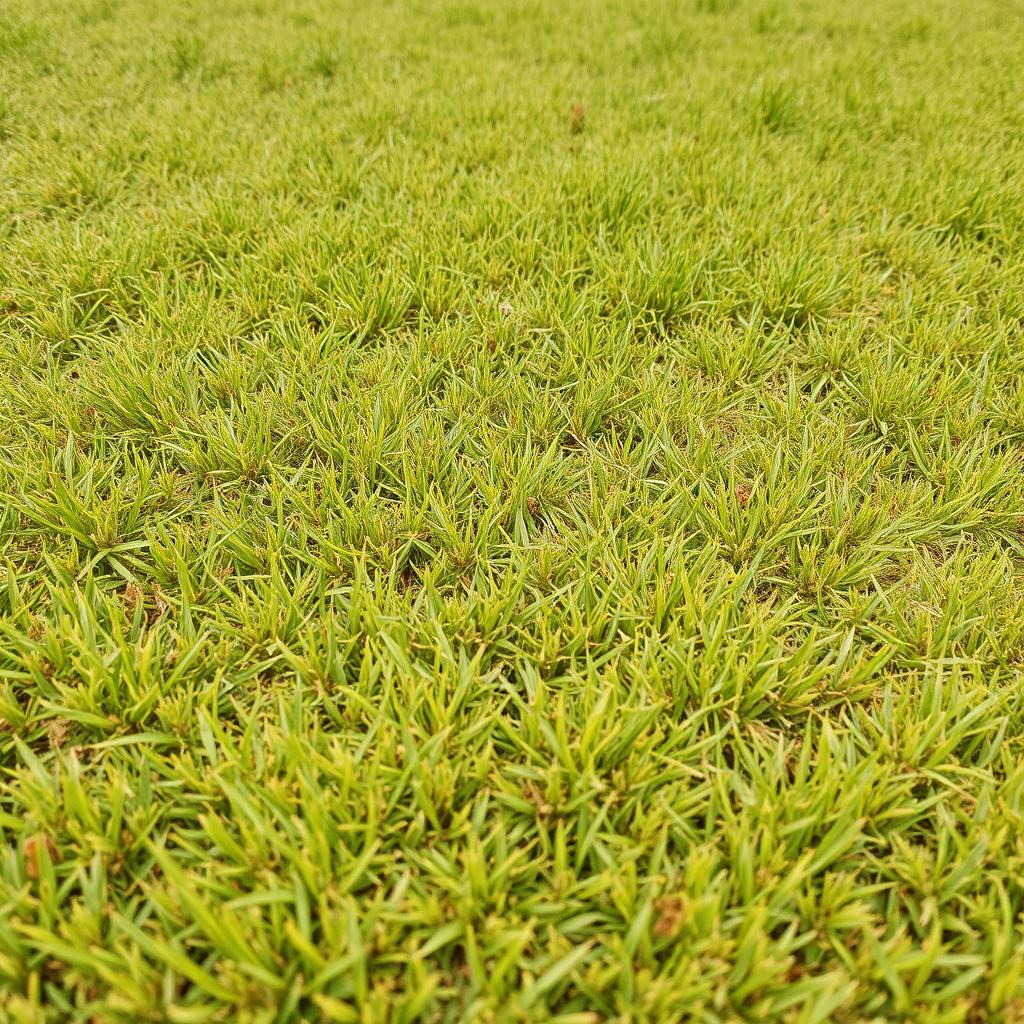
Factors responsible for yellowing of grass:
- Lack of key nutrients such as nitrogen, iron, and magnesium can result in yellowing of grass.
- Soil compaction caused by clayey soils, foot traffic, and heavy machinery constrains root growth and nutrient uptake, resulting in yellowing.
- Fungal infections and viral diseases can cause yellowing of grass.
- Over-watering causes waterlogging that denies roots oxygen and leads to root rot. Under-watering causes drought stress. Water deeply but infrequently to encourage deep root development.
- Poor mowing practices — scalping by cutting the grass too short, or using dull mower blades — will stress the grass causing yellowing. Mow high and sharpen your blades.
- Presence of bill bugs and chinch bugs. Bill bug larvae feed on grass stems causing yellow circular patches. Chinch bugs suck sap, also resulting in yellow patches. Apply plenty of organic matter and water deeply in spring to discourage bill bugs. For chinch bugs, water deeply (up to 6 inches) for 3–5 weeks. Reseed or overseed with resistant endophyte-enhanced grasses for long-term prevention.
Red Grass
Red grass in the lawn signals fungal attack. Two fungi cause red grass: red thread and rust.
Red thread is a fungus that occurs during cool, wet weather, resulting in circular patches of dried grass. Mow regularly to remove infected grass tips, feed with compost to rejuvenate the grass, and provide adequate nitrogen. Rust causes reddish spores and afflicts drought-stressed, nutrient-deficient lawns. Mow regularly, leave clippings on the lawn, and avoid night watering.
Whitish Grass — Powdery Mildew
White grass signifies the presence of powdery mildew — small patches of grey or white fungus on the grass — which emerges in over-fertilized lawns and wet, shady areas.
Ragged Patches or Bare Spots
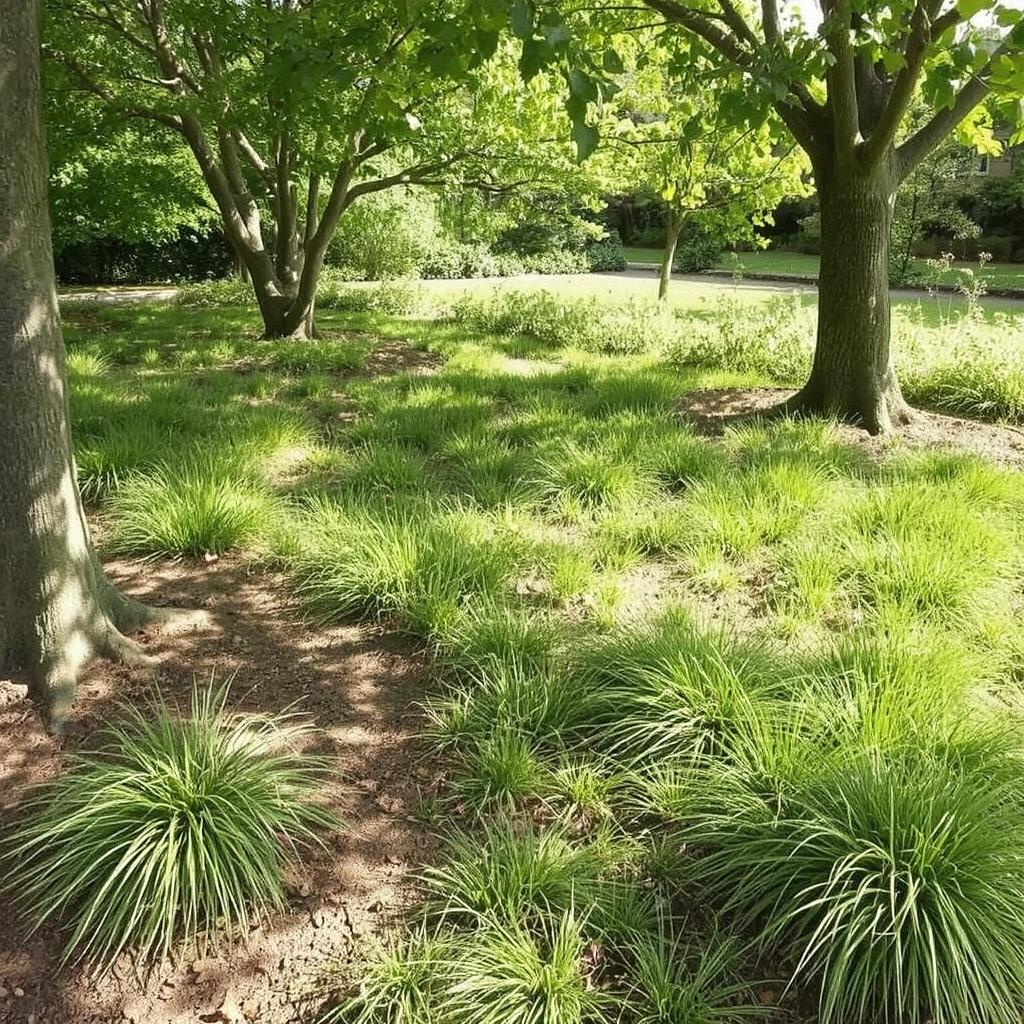
Most likely caused by heavy foot traffic, dog waste, or army worms. In cool, wet weather, army worms chew grass to the crown, leaving bare patches.
Brown Grass
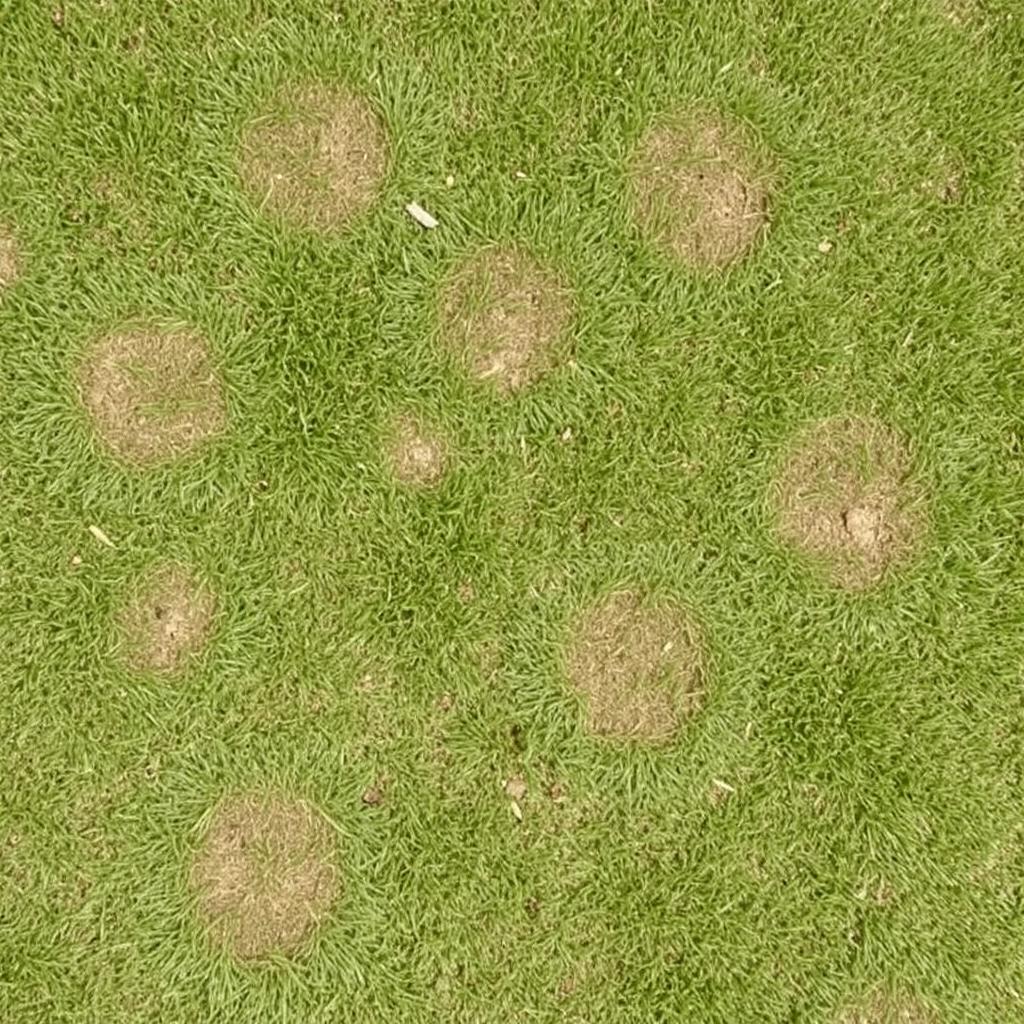
Brown grass is often the result of summer dormancy or poor maintenance practices like mowing too low. If those factors are ruled out, white grubs or sod webworms are likely culprits. White grubs chew grass roots, causing irregular brown dead patches.
Mushrooms
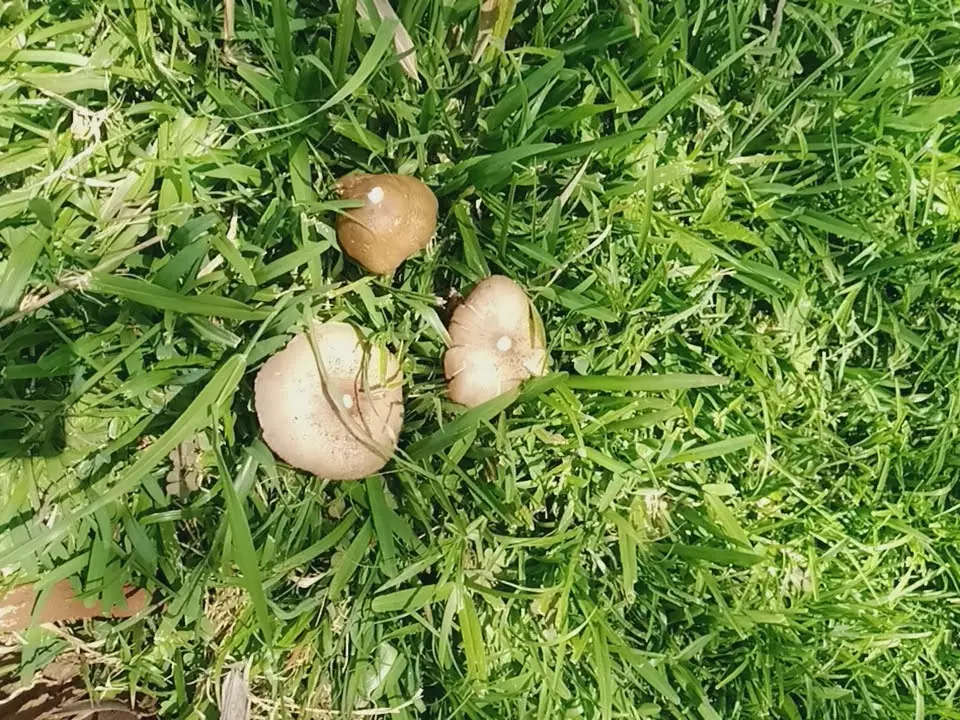
Mushrooms are fungi and among the toughest lawn problems to tackle. Their presence indicates a fungal mat under the soil. Mushrooms first appear as fairy rings marked by dark-green circles, which eventually sprout into mushrooms that deplete soil nutrients and form a water-repellent mat.
Thatch
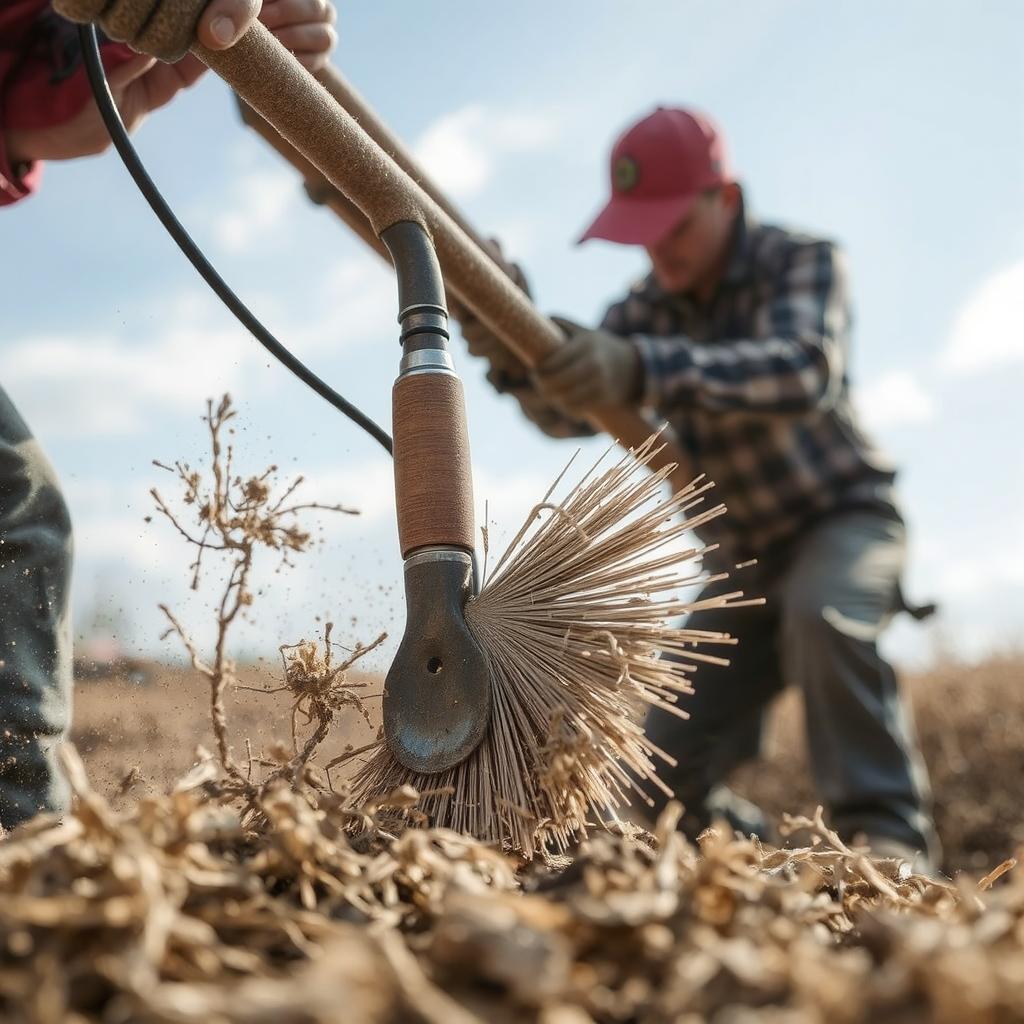
Thatch is a foamy or springy mat of grass roots and stems on the soil surface. It develops as a result of excess fertilizer and manifests as a brown, shabby, worn-out lawn. Contrary to popular belief, thatch is not caused by grass clippings. Less than an inch of thatch acts as good mulch — but a deeper layer will prevent water and nutrients from reaching the grass roots.
Moss
Moss is low-growing, soft, spongy growth mostly found in shaded areas. If your soil is not fertile, is acidic, and poorly drained, moss will proliferate.
Moles
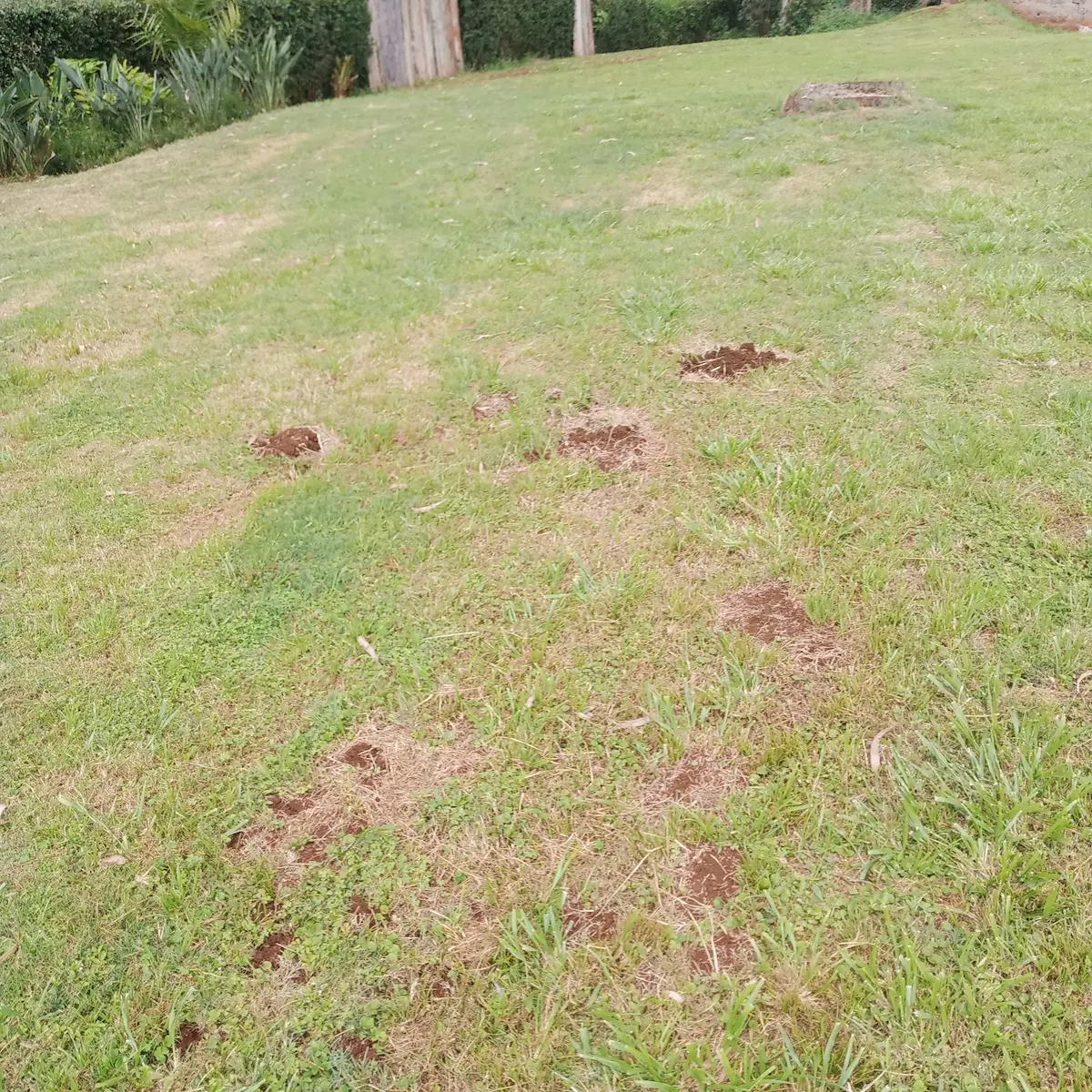
If you see mounds of dirt making the ground uneven and difficult to mow, moles have been working underneath the ground in search of grubs and earthworms, resulting in ridges and mounds.
Termites
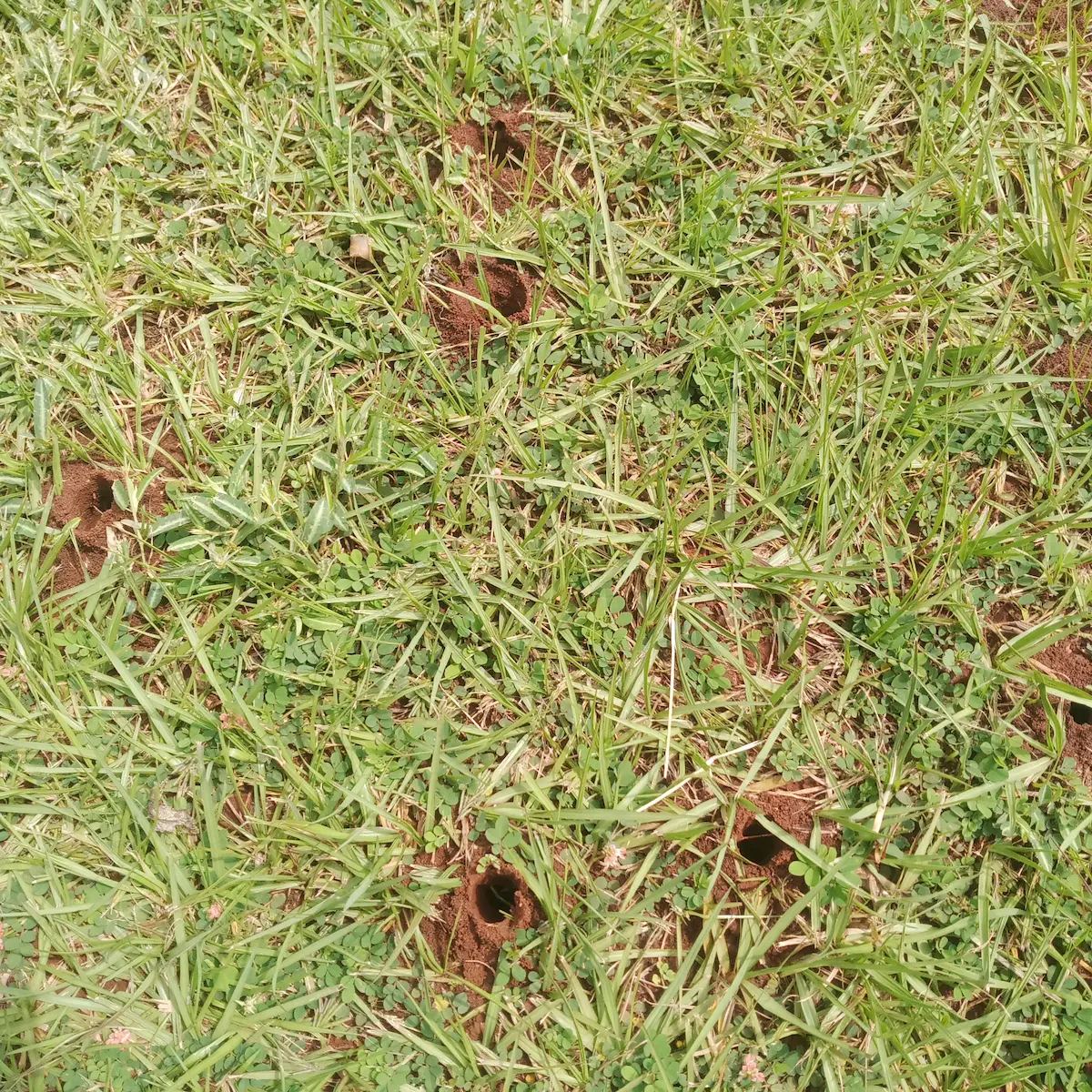
Nothing despoils a lawn like termites. Beside the ugly mounds of dirt and termite anthills, the grass turns brown and dries out, leaving behind a lot of thatch. You are attracting termites if your garden has large volumes of uncollected leaf fall — the sucrose in leaves is their key food source.