
Lawn Grass & Your Dog:
What Every Pet Owner Should Know
A practical guide to keeping your garden lush and your dog healthy — because they don't have to be at odds.
Garden
Guide
Your dog loves the lawn but does the lawn love the dog? Recently a client from Karen called to have us visit his garden. His main concern was that his dog was having skin irritation — and the vet was blaming the grass!
This scenario is more common than you might think. Across Nairobi's leafy suburbs, from Runda to Lavington, dogs and lawns coexist — but not always in perfect harmony. Whether your dog is scratching after a romp on the kikuyu grass, munching on the lawn like it's a salad bar, or simply sneezing its way through the dry season, there is a reason behind every behaviour. Understanding the relationship between your dog and your lawn can save you costly vet bills and keep both your pet and your garden in top shape.

Why Do Dogs Eat Grass?
If you have ever caught your dog grazing on the lawn like a small, confused cow, you are not alone. Dogs eat grass for several reasons — and most of them are perfectly natural:

- Natural instinct — Dogs are omnivores. Their wild ancestors consumed plant material as part of a varied diet, and this behaviour has carried through generations.
- Upset stomach — Many dog owners believe their pets eat grass to induce vomiting when feeling nauseous. However, research suggests fewer than 25% of dogs actually vomit after eating grass, so this isn't always the reason.
- Fibre and nutritional needs — Grass provides roughage that aids digestion. If your dog's diet is lacking in fibre or certain nutrients, it may instinctively turn to grass to compensate.
- Boredom or anxiety — Dogs left alone in the garden for extended periods may eat grass simply to pass time or manage stress.
- They enjoy it — Some dogs genuinely like the taste and texture of fresh, tender grass, especially early in the morning when it is still dewy.
Eating grass in moderation is generally harmless. The danger arises when the grass has been treated with pesticides, herbicides, or chemical fertilisers — a very real concern for manicured lawns in residential estates.
Grass Pollen and Dog Allergies
Going back to our Karen client — his dog's skin irritation was almost certainly triggered by grass pollen. Just like humans, dogs can develop environmental allergies, and grass pollen is one of the most common culprits. In Nairobi, pollen levels tend to peak during the dry seasons, particularly around January–February and August–September, when grasses flower and release large quantities of pollen into the air.
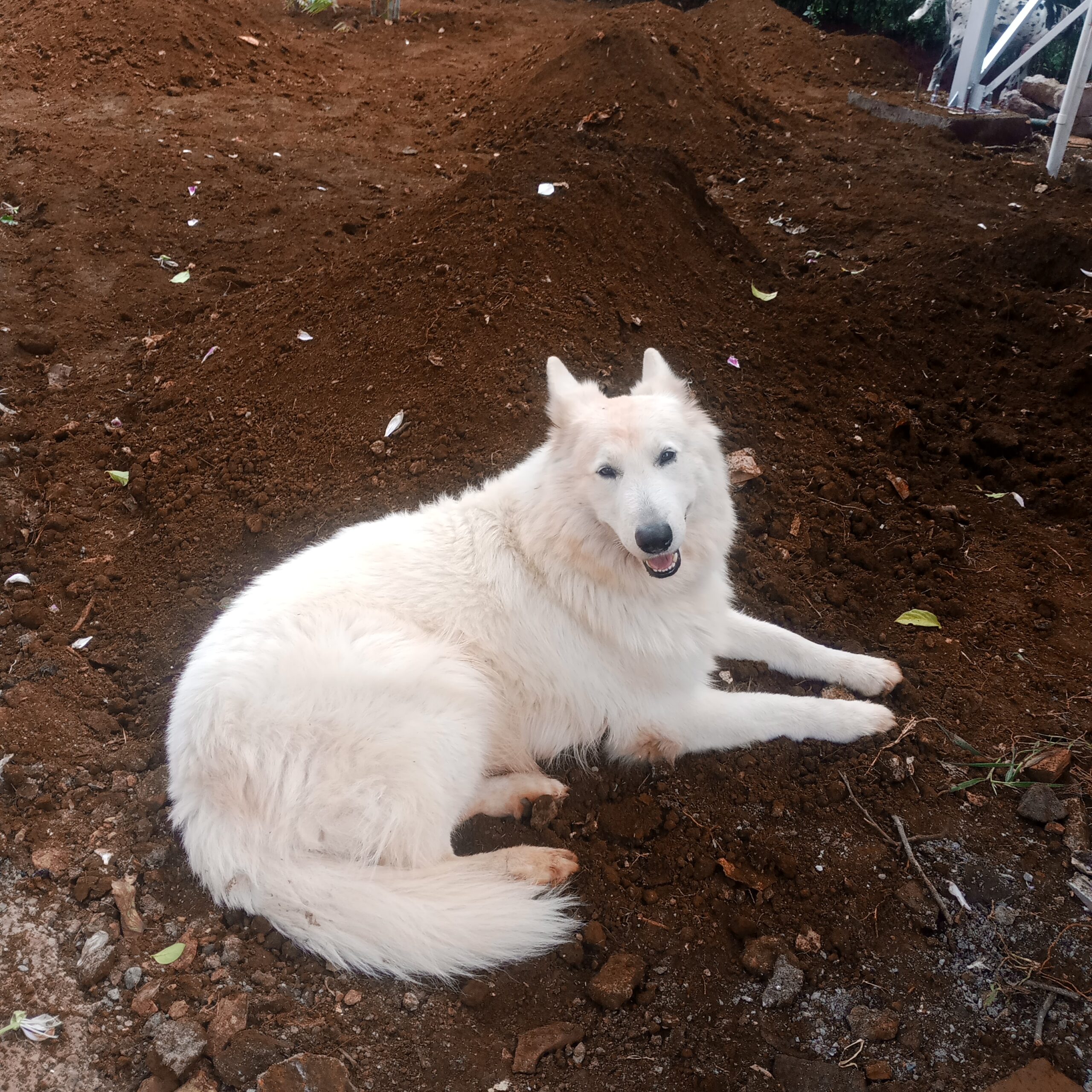
"Flat-faced breeds such as Bulldogs, Pugs, and Shih Tzus are particularly prone to respiratory irritation from pollen — but any dog can develop a sensitivity over time."
Common signs of grass pollen allergy in dogs include:
- Excessive scratching, particularly around the face, paws, belly, and groin
- Red, watery, or swollen eyes
- Sneezing and a runny nose
- Persistent licking or chewing of paws
- Recurring ear infections
- Hot spots or skin rashes, especially on areas that make direct contact with grass
If you notice these symptoms flaring up during dry or windy weather, grass pollen allergy is a strong suspect. Your vet can conduct allergy testing to confirm the trigger and recommend a treatment plan.
Hidden Dangers Lurking in the Lawn
A beautiful, well-manicured lawn can harbour a surprising number of hazards for your dog. Being aware of these can help you make smarter decisions about lawn care and pet safety.
Pesticides & Herbicides
Chemicals used to control weeds and pests can linger on grass blades and soil. Dogs that roll on or lick treated grass may ingest toxic substances.
Chemical Fertilisers
Some fertilisers contain compounds that can cause gastrointestinal upset or worse if ingested. Organic alternatives are far safer for pet-friendly gardens.
Toxic Weeds & Plants
Certain weeds commonly found in Kenyan gardens — such as lantana — can be toxic to dogs if eaten. Not everything in your lawn is harmless grass.
Soil Parasites
Hookworms, roundworms, and other parasites can live in soil and infect dogs through the skin or paws. Regular deworming is essential.
Fungi & Mould
In damp conditions, especially after heavy rains, fungi and mould can grow in the lawn and cause illness if your dog ingests them.
Grass Awns / Seeds
Certain grass seed heads can lodge in paws, ears, or skin and cause painful infections if left untreated. Check your dog after outdoor play.
How to Keep Your Lawn Dog-Friendly
The good news is that with a few adjustments, you can have a lush, healthy lawn and a happy, healthy dog. Here is what we recommend to our clients:
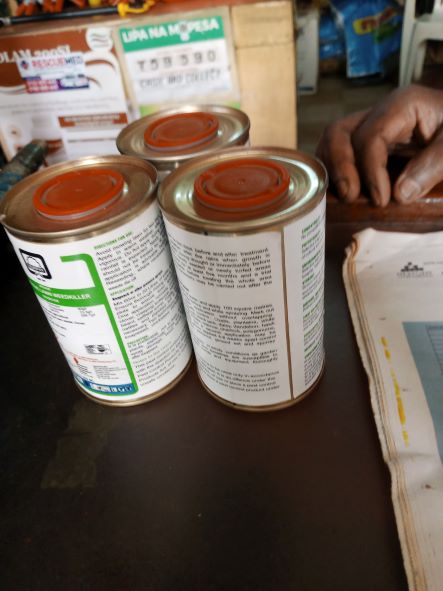

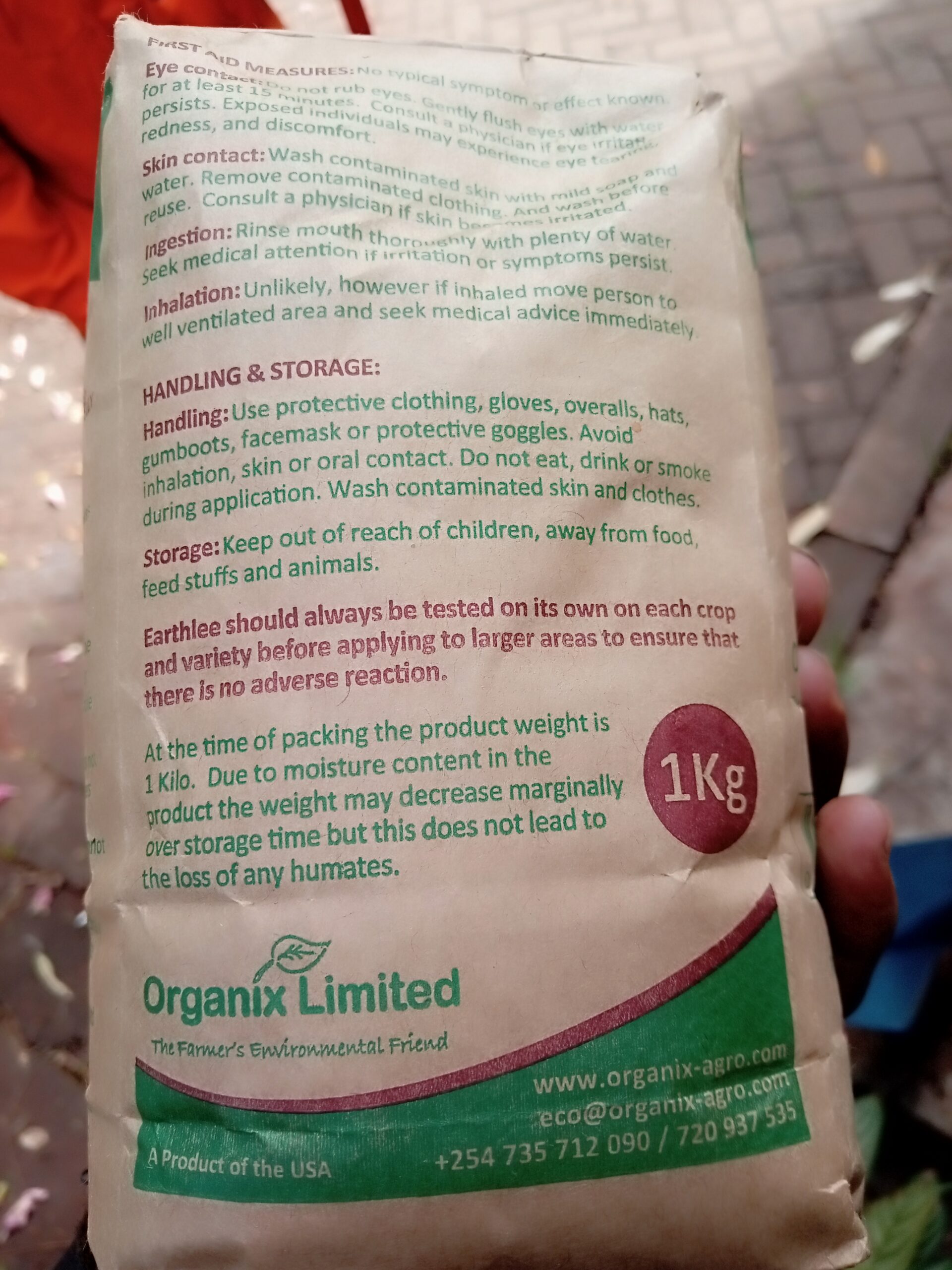
- Choose pet-safe lawn care productsLook for organic or pet-certified fertilisers and weed control options. Always read labels and keep your dog off freshly treated areas for the recommended period.
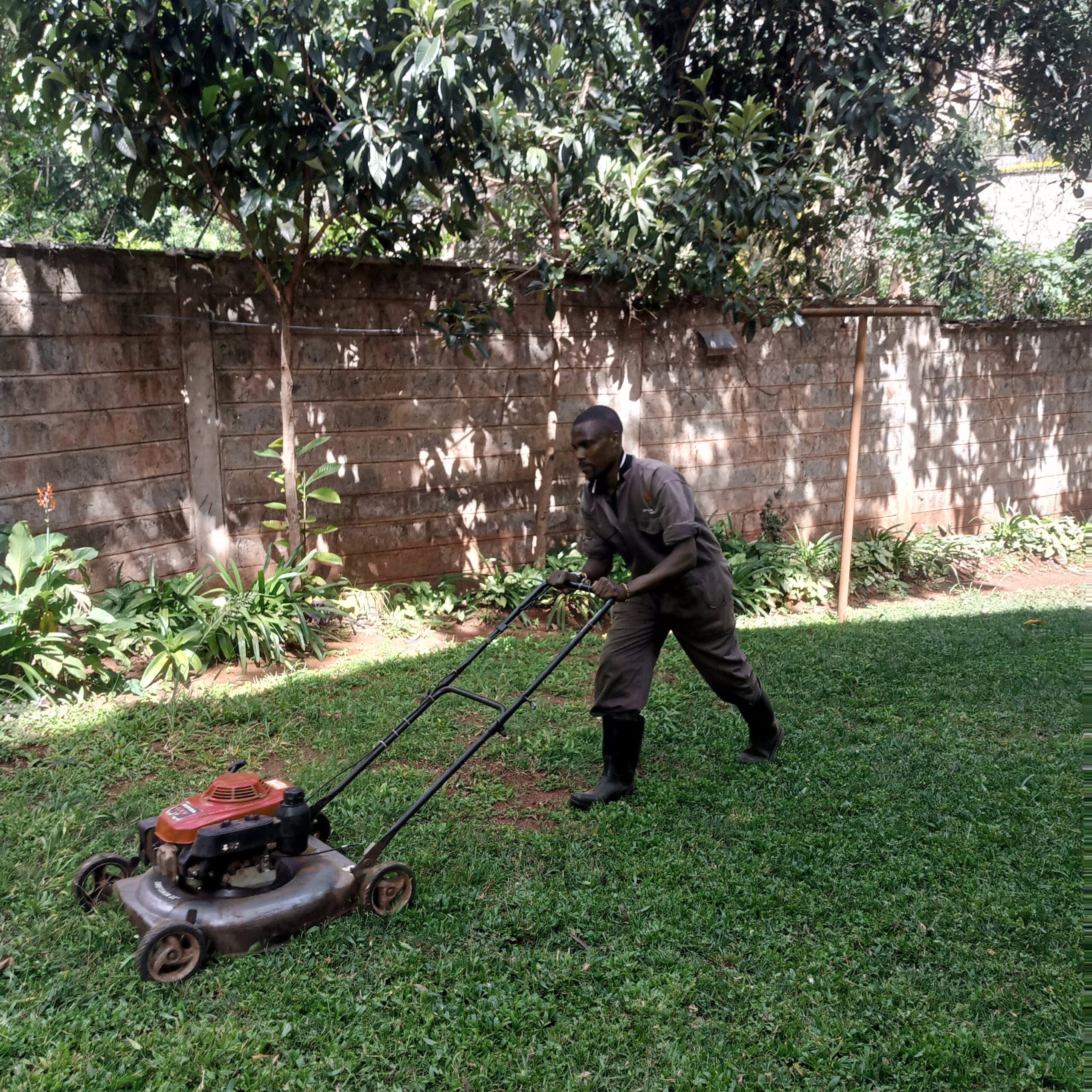
- Mow regularlyShorter grass produces less pollen. Keeping your lawn well-trimmed during pollen season can significantly reduce your dog's exposure.
- Select dog-tolerant grass varietiesIn Nairobi, kikuyu grass is common and reasonably hardy. Discussing grass variety with your landscaper can help you find options that suit both your aesthetic and your pet.
- Create a designated dog zoneConsider setting aside a section of the garden with hard landscaping, gravel, or tough ground cover where your dog can play freely.
- Rinse your dog after outdoor playDuring high pollen periods, wiping down your dog's coat and paws after time on the lawn can dramatically reduce the pollen they carry indoors and into their skin.
Managing Grass-Related Health Issues
If your dog is already showing signs of lawn-related irritation, here are practical steps to take:
- Consult your vet — A proper diagnosis is essential before starting any treatment. Your vet can differentiate between a grass allergy and other skin conditions such as mange or fungal infections.
- Antihistamines and allergy medication — For dogs with confirmed grass pollen allergies, vets often prescribe antihistamines or corticosteroids during peak pollen periods.
- Improve your dog's diet — If your dog constantly eats grass, it may signal a nutritional deficiency. Switching to a higher-quality, higher-fibre diet can help reduce this behaviour.
- Regular grooming — Bathing your dog regularly during pollen season helps remove allergens from the coat. Use a gentle, hypoallergenic shampoo recommended by your vet.
- Keep a symptom diary — Note when flare-ups occur and whether they coincide with time on the lawn, weather patterns, or seasonal changes. This information is invaluable for your vet.
A Final Word 🐾
Your lawn and your dog do not have to be at odds. With the right knowledge, thoughtful lawn management, and a watchful eye on your pet's health, both can thrive side by side.
For our client in Karen, a combination of pet-safe lawn treatments, regular grooming during dry months, and an antihistamine prescription from his vet made a world of difference — for both his dog and his garden.
If you are concerned about how your lawn might be affecting your dog, or if you would like advice on creating a pet-friendly garden, feel free to get in touch with us. We are here to help you build a space where every member of your family — four-legged ones included — can truly thrive.