
Gardening in Nairobi | Crystal Gardens – Your Landscaping Experts
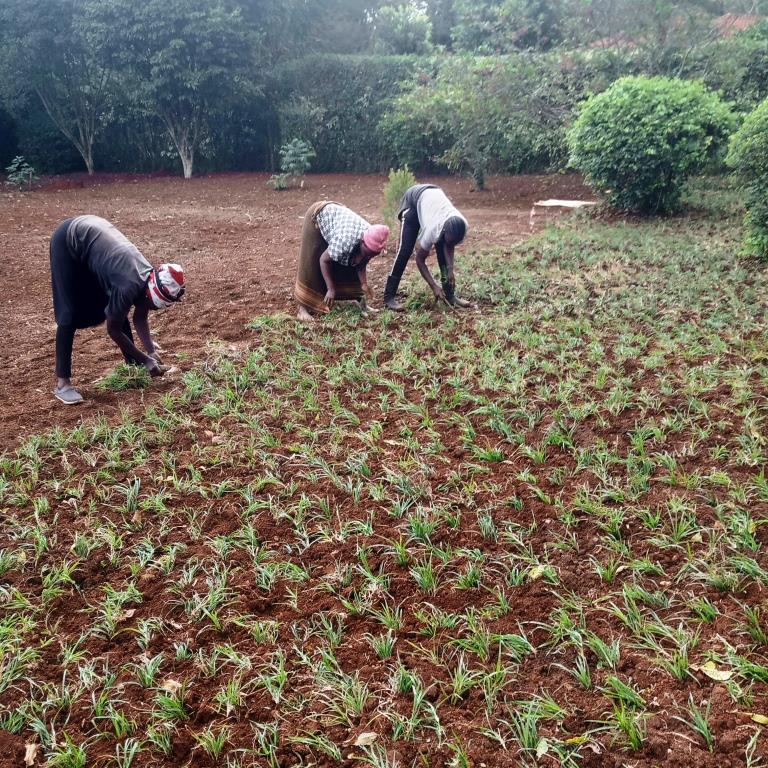
Nairobi’s long rains season is one of the most exciting times of year for gardeners. With the City’s famously fertile red soils and a reliable rainfall pattern, the rainy season offers a golden window to transform your outdoor space. Whether you’re establishing a new lawn, refreshing your flower beds, or propagating your favourite shrubs, gardening in Nairobi during the rains can yield spectacular results — if you know what to do and when to do it.
This guide walks you through the essential tasks that every Nairobi homeowner and gardening enthusiast should carry out during the rainy season to keep their garden thriving, healthy, and beautiful.
1. Lawn Establishment and Repair
For those who garden in Nairobi, the rainy season is hands down the best time to establish or repair your lawn. Moisture in the soil helps grass roots develop faster and more deeply, reducing the need for supplemental watering and giving your turf the best possible start.
What to do:
- Lay new lawns — this is the ideal window to plant fresh turf across bare or new ground.
- Fill bare patches in existing lawns — bare patches that have developed over the dry season can be overseeded or turfed during the rains for quick recovery.
- Lay carpet grass — one of the most popular lawn varieties in Nairobi, carpet grass establishes beautifully in wet conditions and creates a dense, lush cover.
- Water management — while the rains do most of the work, monitor newly laid turf during dry spells within the rainy season and water as needed.
2. Improve Your Soil
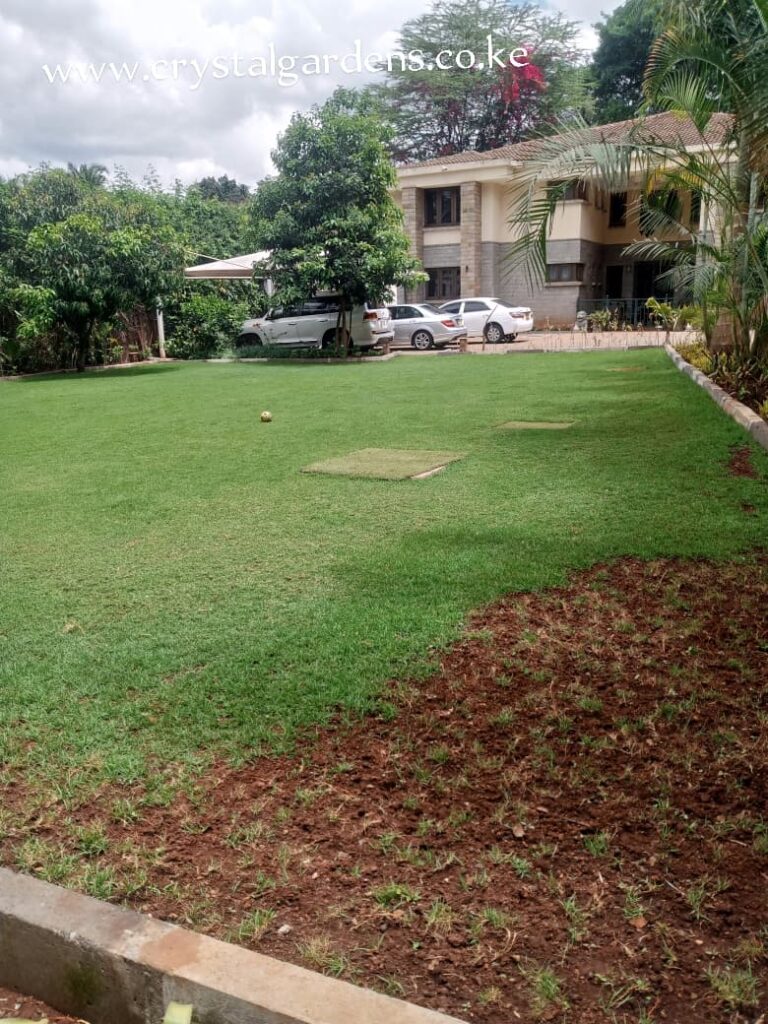
Wet soil is significantly easier to work with than dry, compacted earth. The rainy season is the perfect time to feed, enrich, and restructure your garden soil — setting up your plants for months of healthy growth ahead.
What to do:
- Top dress your lawn — apply a layer of quality topsoil mixed with compost across your lawn surface. This replenishes nutrients and improves soil structure over time.
- Replenish flowerbeds — by this point in the year, your plants will have depleted most of the nutrients in the soil. Dig in well-rotted compost or manure to revitalise the beds and improve drainage.
- Weed diligently — weeds will inevitably emerge with the rains. Pull them as soon as they appear, roots and all. Weeding is far easier when soil is moist, and early removal prevents them from seeding and spreading.
- Add organic matter — incorporate leaf mould, compost, or aged manure to improve soil texture, water retention, and microbial activity.
3. Prune-Shrubs, hedges and topiaries
In the tropics, plants grow vigorously — and with the added boost of rainfall, growth can become rampant. Regular pruning during the rainy season keeps your garden looking neat and your plants healthy.
What to do:
- Remove dead and diseased branches — cut back any dead wood or branches showing signs of disease. This prevents the spread of infection to healthy parts of the plant.
- Cut back overgrown shrubs — shrubs that have become too large or straggly benefit from a hard cutback during the growing season, allowing them to regenerate with fresh, vigorous growth.
- Shape hedges and topiaries — the rains encourage rapid regrowth, so this is a good time to shape formal hedges and get them looking their best.
- Dispose of prunings responsibly — bag diseased material and dispose of it rather than composting it, to avoid spreading pathogens.
4. Drainage Maintenance
Nairobi deluges occur in a flash and can quickly overwhelm poorly maintained drainage systems, leading to waterlogging, soil erosion, and root damage. Staying on top of drainage is one of the most important — and often overlooked — rainy season tasks,if you have to successfully garden in Nairobi.
What to do:
- Clear blocked drains and gutters — remove leaf litter, soil, and debris from all drainage channels before and during the rains.
- Improve water channels — redirect surface runoff away from planting areas and structures using well-defined channels or French drains.
- Prevent waterlogging in lawns — if you notice water pooling on your lawn, aerate the soil using a garden fork or mechanical aerator to improve drainage.
- Protect slopes — if your garden has sloped areas, consider planting ground covers or installing retaining structures to prevent soil erosion during heavy downpours.
5. Pest and Disease Monitoring
Wet, humid conditions create the perfect environment for fungal diseases, slugs, snails, and other pests. Vigilance is key — catching problems early prevents them from becoming serious.
What to do:
- Inspect leaves regularly — check both the upper and lower surfaces of leaves for signs of fungal spots, rust, mildew, or pest damage.
- Remove and destroy infected plant material — cut off and burn diseased leaves, stems, or branches. Do not compost them as this can spread disease.
- Prune to improve air circulation — dense, overcrowded growth creates humid microclimates where fungal diseases thrive. Open up the canopy of shrubs and trees to allow air movement.
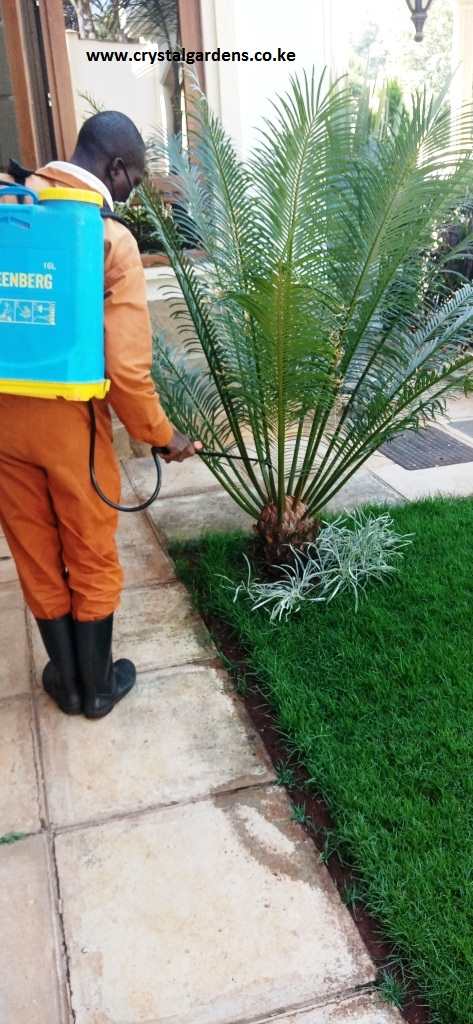
- Apply preventive fungicide if necessary — for plants with a history of fungal problems, a preventive copper-based or systemic fungicide can be applied at the start of the rains.
- Watch for slugs and snails — these pests are most active during wet weather. Use organic slug pellets or create barriers around vulnerable plants.
6. Garden Bed Preparation
The rainy season is an ideal time to prepare new beds and expand your planting areas. Moist soil is far easier to dig and condition than the rock-hard ground of the dry season.
What to do:
- Prepare new beds for flowers and vegetables — mark out your new bed areas, remove weeds, and incorporate generous amounts of compost and topsoil before planting.
- Plant seasonal flowers — the rains provide the moisture needed for quick establishment. Marigolds, zinnias, impatiens, and petunias all thrive when planted at the start of the rainy season in Nairobi.
- Sow vegetables — leafy greens, tomatoes, beans, and herbs all respond well to rainy season planting. Ensure beds have good drainage to prevent waterlogging around roots.
- Mulch new beds — apply a layer of mulch around new plantings to retain moisture between rain events and suppress weed growth.
7. Propagate Your Plants
The rainy season creates ideal conditions for plant propagation. High humidity and consistent moisture give cuttings and divisions the best possible chance of success — meaning you can multiply your favourite plants for free.
What to do:
- Divide clumping perennials — agapanthus, strelitzias (bird of paradise), and daylilies can all be lifted, divided, and replanted during the rains. Each division will establish quickly in the moist soil.
- Take cuttings of favourite shrubs — softwood and semi-hardwood cuttings root readily in the rainy season humidity. Bougainvillea, duranta, and acalypha are among the easiest to propagate.
- Sow seeds — the rains provide natural moisture for germination, but protect seed trays from heavy downpours which can wash seeds away or cause damping off. Place trays in a sheltered but bright spot.
- Layer shrubs and climbers — air layering and ground layering are effective propagation methods for plants that are difficult to root from cuttings, and the moist conditions of the rainy season support this technique well.
Rainy Season Garden Checklist — Nairobi
To successfully garden in Nairobi, observe this checklist and use it to track your rainy season gardening tasks
| ✓ | Task | Notes / Tips |
| LAWN | ||
| ☐ | Lay new lawn / carpet grass | Best done at start of rains for fastest establishment |
| ☐ | Fill bare patches | Overseed or turf bare areas while soil is moist |
| ☐ | Aerate lawn to prevent waterlogging | Use a garden fork or mechanical aerator |
| SOIL | ||
| ☐ | Top dress lawn with topsoil & compost | Apply a 1–2cm layer evenly across the lawn |
| ☐ | Replenish flowerbeds with compost/manure | Dig in well-rotted organic matter before planting |
| ☐ | Weed regularly | Pull weeds as soon as they appear — easier in moist soil |
| PRUNING | ||
| ☐ | Remove dead and diseased branches | Dispose of diseased material — do not compost |
| ☐ | Cut back overgrown shrubs | Encourages fresh vigorous regrowth during the season |
| ☐ | Shape hedges and topiaries | Rains support rapid regrowth after shaping |
| DRAINAGE | ||
| ☐ | Clear blocked drains and gutters | Check and clear before heavy rains arrive |
| ☐ | Improve water channels | Direct runoff away from planting areas and structures |
| ☐ | Protect slopes from erosion | Plant ground covers or install retaining structures |
| PEST & DISEASE | ||
| ☐ | Inspect leaves regularly for disease | Check both upper and lower leaf surfaces |
| ☐ | Remove and burn infected material | Never compost diseased plant parts |
| ☐ | Prune to improve air circulation | Reduces humidity and fungal disease risk |
| ☐ | Monitor for slugs and snails | Use organic pellets or barriers around vulnerable plants |
| GARDEN BEDS | ||
| ☐ | Prepare new beds for flowers & vegetables | Incorporate compost and topsoil before planting |
| ☐ | Plant seasonal flowers | Marigolds, zinnias, impatiens thrive in the rainy season |
| ☐ | Sow vegetables | Leafy greens, beans, tomatoes — ensure good drainage |
| ☐ | Mulch new beds | Suppresses weeds and retains moisture between rain events |
| PROPAGATION | ||
| ☐ | Divide agapanthus, strelitzias, daylilies | Lift, divide, and replant — they establish quickly in moist soil |
| ☐ | Take cuttings of favourite shrubs | Bougainvillea, duranta, acalypha root well in high humidity |
| ☐ | Sow seeds (sheltered from heavy rain) | Place trays in a bright but sheltered spot |
| ☐ | Try air layering for difficult plants | Moist conditions support successful layering |
Need Help With Your Garden This Rainy Season?
At Crystal Gardens, we provide professional landscaping and garden maintenance services across Nairobi. Whether you need a new lawn laid, your garden redesigned, or regular maintenance during the rainy season, our experienced team is ready to help.
Contact us today to discuss your garden needs and get a free quote.
www.crystalgardens.co.ke | Nairobi, Kenya