
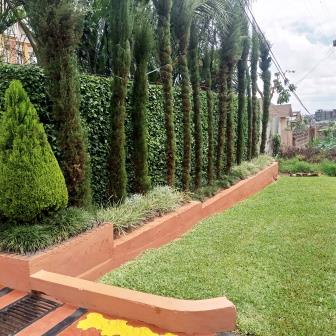
Many of us consider planting a tree a straight forward affair. Get a seedling, dig a planting hole and insert the tree. Backfill, water and hurray, you are done!
Turns out tree planting is not that simple.
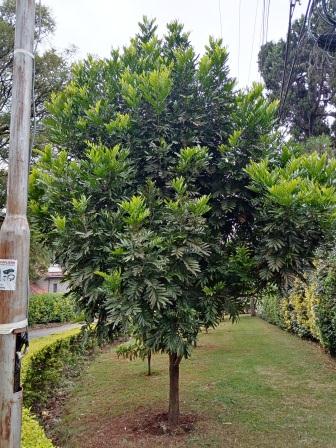
A tree is a long-term investment-sometimes a lifetime one. You therefore need to plant it properly to give it tree a fair chance at survival and ensure that when mature, it serves the purpose for which you are planting it now. Chances are that long after you are gone, the tree will still be around.
Here are the steps to follow in planting a tree or trees:
Choose the right tree for the right location
Based on your need, you can choose an indigenous tree or select an ornamental one. Indigenous trees are well adapted to local climate and soils and will therefore require less tending. The right location means the tree has little chance of being a nuisance now or in future; won’t interfere with power lines, water pipes or the house foundation.
Assemble required tools
What tools do you need for your tree planting?
- Shovel (spade and/or round-point)
- Measuring stick or the tree’s handle
- Garden hose with water source
- Mulch (shredded wood/bark, NOT piled against the trunk)
- Optional: Compost, mycorrhizal fungi inoculant, tree stake (only if needed for windy sites)
Prepare the Tree
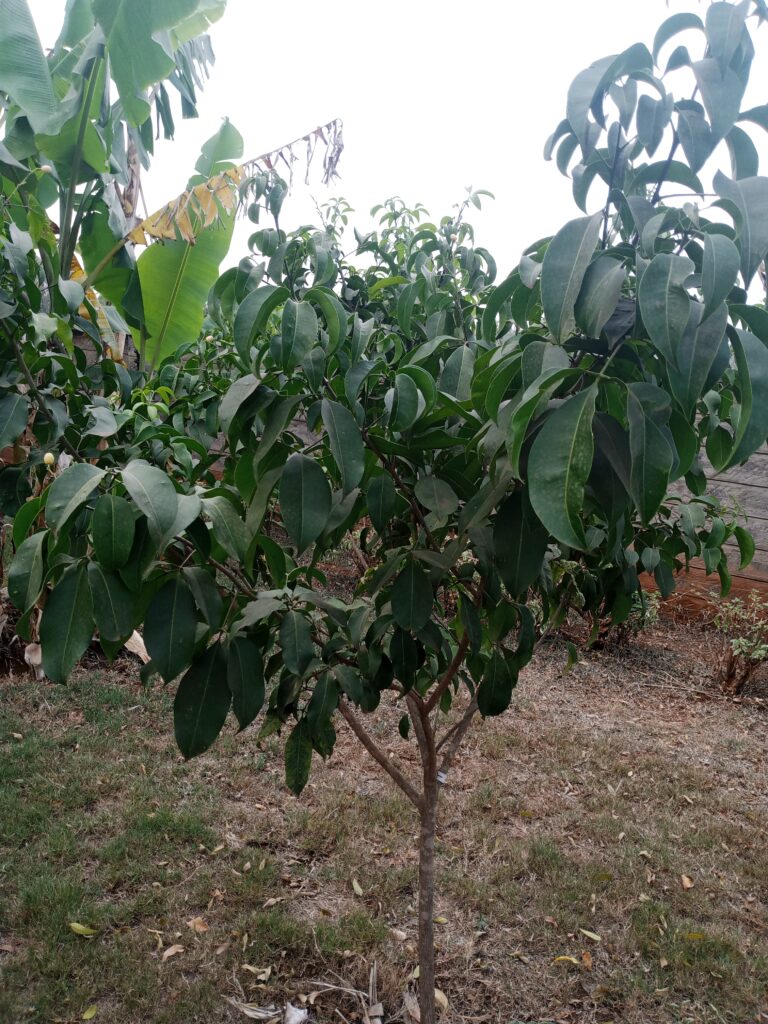
- Tree in Containers: At the garden center your tree could be bagged or in a solid container. For small trees, hold the tree upside down and pull back the bottom end of the bag. The tree should slide out easily. For solid containers gently remove the container. A nursery grown tree should easily slide out of the container with a little pull or any synthetic wrapping.
- Balled and burlapped: If the trees are balled and burlapped, remove all rope, twine, and wire baskets once the tree is in the hole. If the root ball is tightly circled (root-bound), carefully score the sides with a knife or tease the roots outward.
- Bare-Root: Soak roots in water for 1-12 hours. before planting. do not let them dry out.
Dig the ideal Hole (The Most Critical Step)
Tree roots grow at 60 degrees, so it makes sense to have a wider hole rather than a deeper hole. The Golden Rule is to dig a hole that is 2-3 times the width of the root ball, but only as DEEP as the root ball.
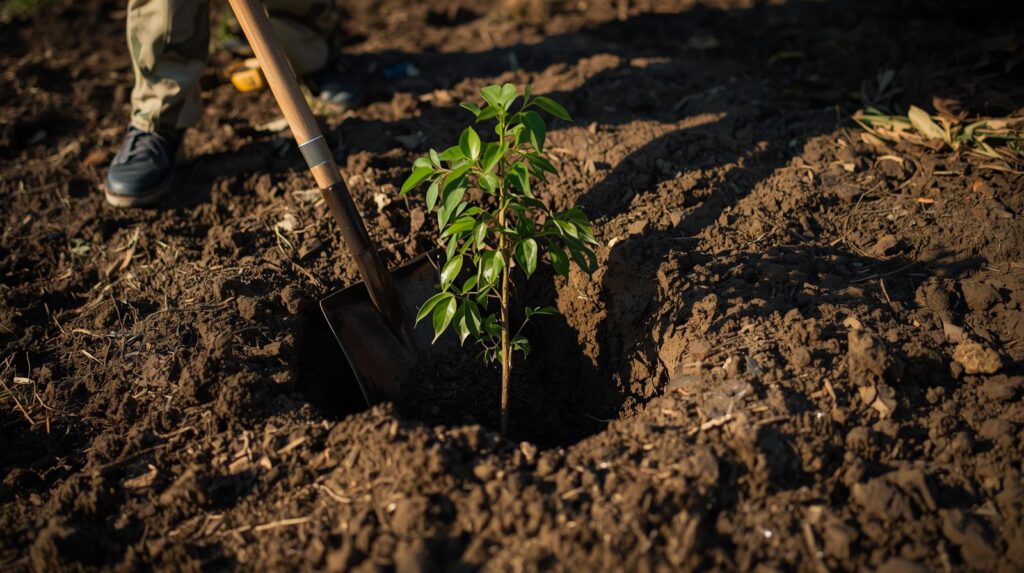
- Width: A wide, shallow hole encourages roots to spread horizontally.
- Depth: Find the root flare—the point where the trunk widens at the base. This flare must be visible above ground.
- Test: Place the tree in the hole on solid, undisturbed soil. Lay your shovel handle across the hole. The root flare should sit slightly above (1-2 inches) the surrounding ground level to account for settling.
- Hole Shape: Saucer-shaped, not a deep, narrow bucket. By all means avoid a round hole as roots tend to coil around the hole.
Position, Backfill, and Water
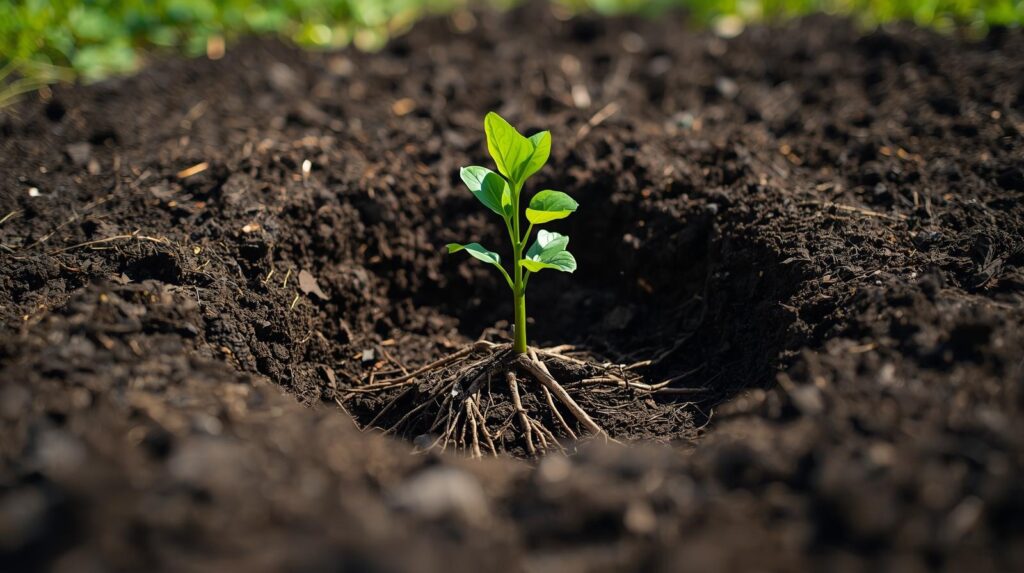
- Place the tree in the center of the hole, ensuring it’s straight
- Do not amend the backfill soil with rich compost unless your native soil is very poor. You want roots to adapt to native soil. Simply break up clumps and remove large rocks.
- Backfill halfway, then water thoroughly to settle soil and eliminate air pockets.
- Backfill the rest. Gently firm the soil with your hands or foot—do not over-compact. The purpose of firming up is to remove air pockets from the back filling, otherwise the tree tends to lean over when watered.
Mulch Correctly
- Create a wide mulch ring (3-4 foot diameter is ideal).
- Apply 2-4 inches of organic mulch (wood chips, shredded bark).
- Crucial: Keep mulch 6 inches away from the trunk. No mulch volcanoes! Mulch piled against the trunk holds moisture and causes rot, killing the tree.
Water Deeply and Establish a Schedule
Initial Soak: Give the tree a deep, slow watering immediately after planting. Let the water soak in.
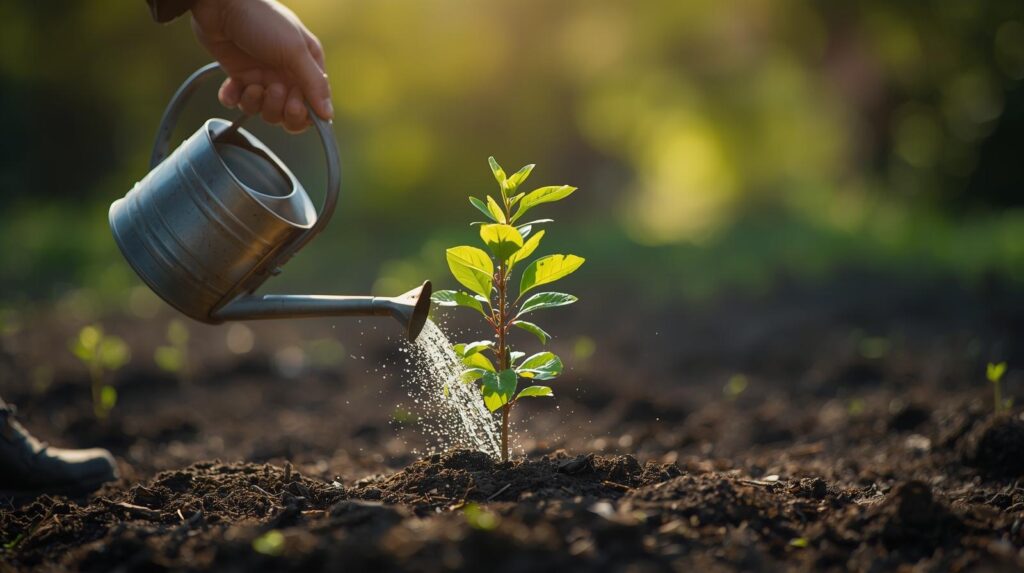
First Year (Establishment Phase):
- Water deeply 1-2 times per week in the absence of rain. The goal is to encourage deep root growth.
- Check soil moisture 2-3 inches down—it should be moist, not soggy or dry
- Adjust frequency for heat, drought, or heavy rain
- Avoid daily light sprinkles-these encourages shallow roots as they come to the surface to look for water.
Common mistakes that lead to tree loss
- Planting too deep. Once the stem is in the soil, the tree will start to rot right away. I have had this experience when you assign people to plant trees and you don’t inspect each tree.
- Fertilizing at planting time. Give the tree 2 growing seasons to have it establish before fertilizing.
- Amending the backfill soil. This creates a bathtub effect-an island that is different from the surrounding
- Volcano mulching-piling mulch against the trunk. Totally unnecessary. Pests easily access up the tree and the moist environment breeds diseases.
The First Few Years: Aftercare
- Pruning: Only remove broken, dead, or diseased branches at planting. Major structural pruning can wait 1-2 years.
- Monitor: Watch for signs of stress (wilting, leaf scorch, dieback) and adjust watering
- Protect: Guard the trunk from lawnmower and string trimmer damage with a protective guard if needed.
Leave a Reply